Top 10 Writing Paper Machines in China for Quality Production?
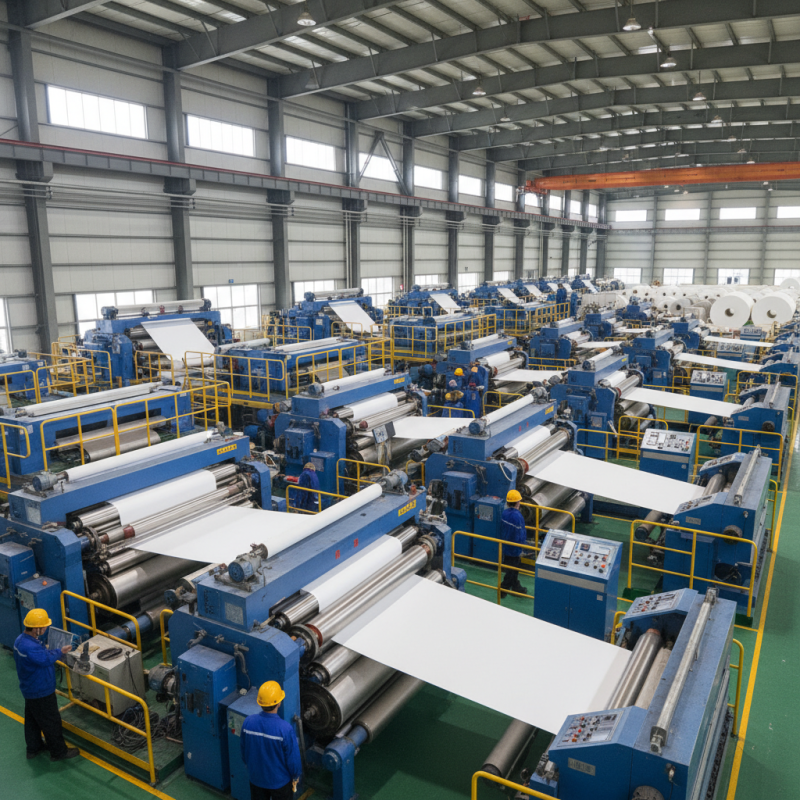
In the rapidly evolving paper manufacturing industry, the demand for high-quality writing paper machines is critical. China stands as a significant player, renowned for its state-of-the-art technology and efficient production capabilities. The writing paper machine not only influences the quality of the paper but also impacts the overall production efficiency.
China's leading manufacturers utilize advanced techniques to streamline the production process. Their machines are designed to enhance durability and printability. However, choosing the right machine can be challenging. With numerous options available, it’s essential to consider various factors such as production capacity, energy consumption, and cost-effectiveness.
As we explore the top 10 writing paper machines in China, it’s crucial to critically assess their features and limitations. Not all machines are created equal, and potential buyers must reflect on their specific needs. This assessment will help ensure a successful investment in writing paper production.
Overview of Writing Paper Machines in China
Writing paper machines in China represent a significant segment of the global manufacturing landscape. According to a report from the China Paper Industry Association, the country produces over 20 million tons of writing paper annually. This impressive figure highlights the advanced capabilities of Chinese manufacturers. They use innovative technologies to create high-quality products that meet international standards. The efficiency of these machines has steadily increased, reducing waste and operational costs.
Despite the rapid advancements, some challenges persist. Many manufacturers face issues such as outdated machinery and inconsistent quality control. Reports indicate that around 30% of small operators struggle to maintain production efficiency. This gap underscores the importance of investing in modern technology. Upgrading equipment can enhance product quality and yield better returns on investment.
Moreover, the market is shifting towards eco-friendly production methods. Statistics show a growing consumer preference for sustainable products. Manufacturers need to adopt practices that minimize environmental impact. Embracing sustainability, however, requires a careful balance of cost and benefit. As producers strive for higher quality, they must also consider their ecological footprint.
Top 10 Writing Paper Machines in China for Quality Production
Key Features to Consider in Writing Paper Machines
When selecting writing paper machines, several key features stand out. One crucial aspect is production capacity. Machines should meet your output needs without compromising quality. Consider units that can handle various paper sizes. Flexibility is vital for meeting diverse market demands.
Another important element is efficiency. Look for machines that maximize energy use and reduce waste. A well-designed machine can save costs over time. Advanced technology often leads to faster production speeds. However, don’t overlook maintenance requirements. Some machines may require more upkeep, which can affect long-term productivity.
Tips for selecting the right machine include evaluating technical support. Reliable service can prevent prolonged downtimes. Additionally, check user reviews and performance reports. Expert insights can guide your decision-making process. Always weigh initial costs against potential returns. Avoid selecting machines solely based on features; consider your business's unique needs too.
Top 10 Writing Paper Machines in China for Quality Production
| Model |
Production Capacity (Tons/Day) |
Pulping Technology |
Sheet Size (mm) |
Power Consumption (kW) |
Features |
| Model A |
40 |
Chemical Pulping |
600 x 900 |
200 |
High Efficiency, Eco-friendly |
| Model B |
50 |
Mechanical Pulping |
700 x 1000 |
220 |
Low Noise, Compact Design |
| Model C |
60 |
Neutral Sulfite Pulping |
800 x 1200 |
250 |
Automated Control, High Stability |
| Model D |
55 |
Deinked Pulping |
600 x 900 |
230 |
High Yield, Energy Saving |
| Model E |
45 |
Recycled Pulping |
700 x 1000 |
210 |
User-friendly Interface, Fast Operation |
| Model F |
70 |
CTMP |
800 x 1100 |
260 |
High Strength, Digital Monitoring |
| Model G |
35 |
Soda Pulping |
600 x 900 |
180 |
Compact, Flexible Setup |
| Model H |
75 |
Unbleached Pulping |
700 x 1200 |
300 |
Highly Automated, Quick Changeover |
| Model I |
80 |
Bleached Pulping |
800 x 1300 |
320 |
Low Emission, Smart Technology |
| Model J |
65 |
Air Dried Pulping |
600 x 950 |
250 |
Efficient Handling, Low Maintenance |
Top Manufacturers of Writing Paper Machines in China
China has established itself as a leader in the production of writing paper machines. Several top manufacturers are renowned for their commitment to quality and innovation. According to industry reports, the country dominates over 30% of the global market for paper production equipment. This significant share reflects not only manufacturing capacity but also technological advancements.
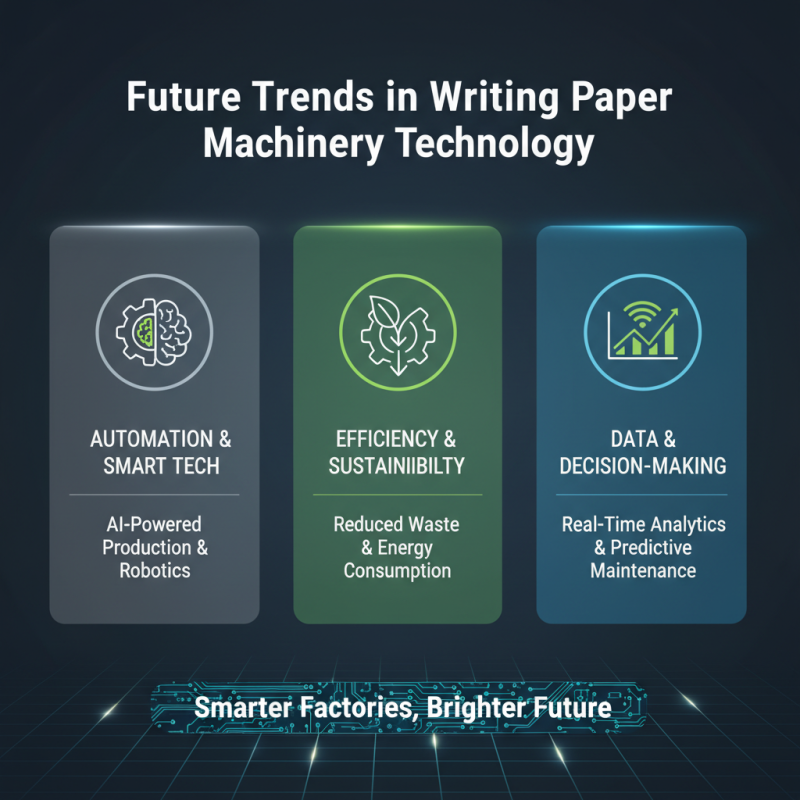
One prominent feature of these machines is their efficiency. Many writing paper machines can produce up to 1,000 meters per minute. This high-speed operation reduces production costs and enhances productivity. However, some manufacturers struggle with maintaining consistency in output quality. Regular maintenance and skilled operators are essential to achieving optimal performance.
Tips: Consider investing in machines that offer automation features. Such innovations can improve efficiency and reduce human error. It's also advisable to assess the reliability of spare parts availability. A steady supply will minimize downtime and keep production on track.
Additionally, many manufacturers are embracing sustainable practices. The demand for eco-friendly paper has risen significantly, forcing some companies to rethink their processes. However, transitioning to greener technology can incur high initial costs and may require further training for staff. It’s vital to weigh these factors before making a decision.
Case Studies of Successful Writing Paper Production
In the competitive landscape of writing paper production in China, several success stories stand out. One notable case involved a company that focused on sustainable practices. They invested in eco-friendly materials and high-efficiency machinery. This approach not only reduced waste but also attracted environmentally conscious consumers. Their commitment to quality and sustainability has elevated their brand in a crowded market.
Another inspiring example is a facility that embraced automation. By integrating advanced technology, they streamlined their production process. This led to significant cost savings and improved product consistency. The company faced challenges initially, like training staff and adjusting to new systems. However, the long-term benefits far outweighed the early struggles. Their success showcases the importance of innovation and adaptability in manufacturing.
Additionally, some manufacturers have prioritized research and development. They conducted studies to enhance paper properties, such as strength and smoothness. These innovations often require time and investment, yet the payoffs can be substantial. Companies that recognize the value of continuous improvement tend to perform better over time. However, not all attempts at innovation yield immediate results, highlighting the need for perseverance in this evolving industry.